Blue-headed Macaw (Primolius couloni)

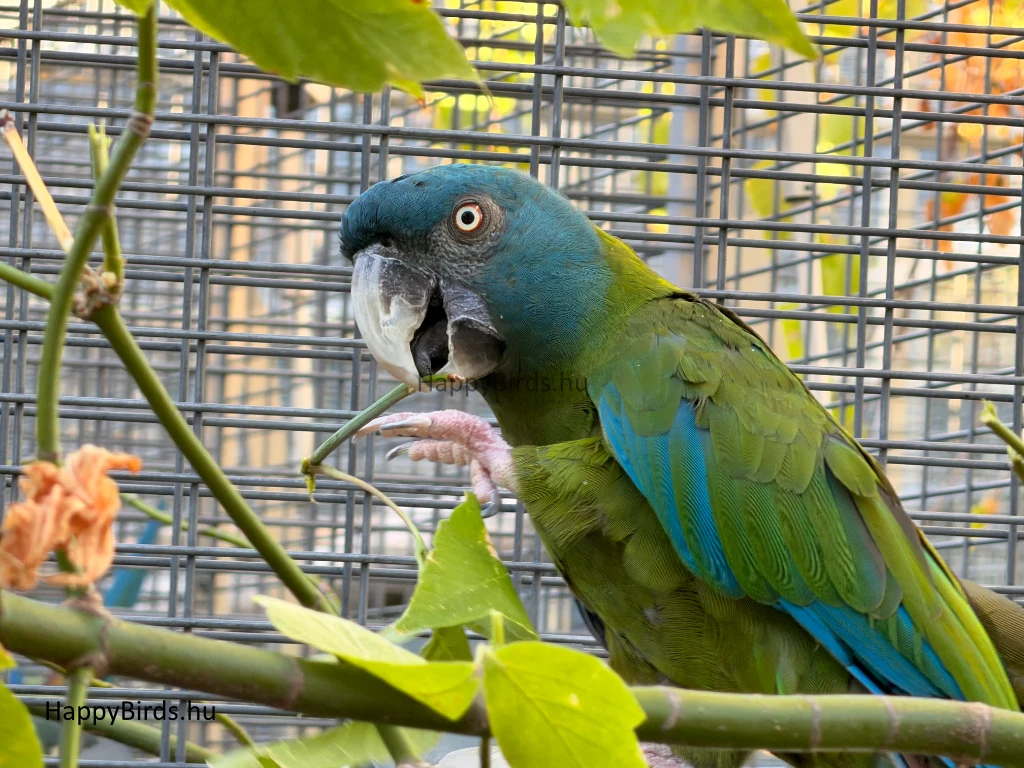
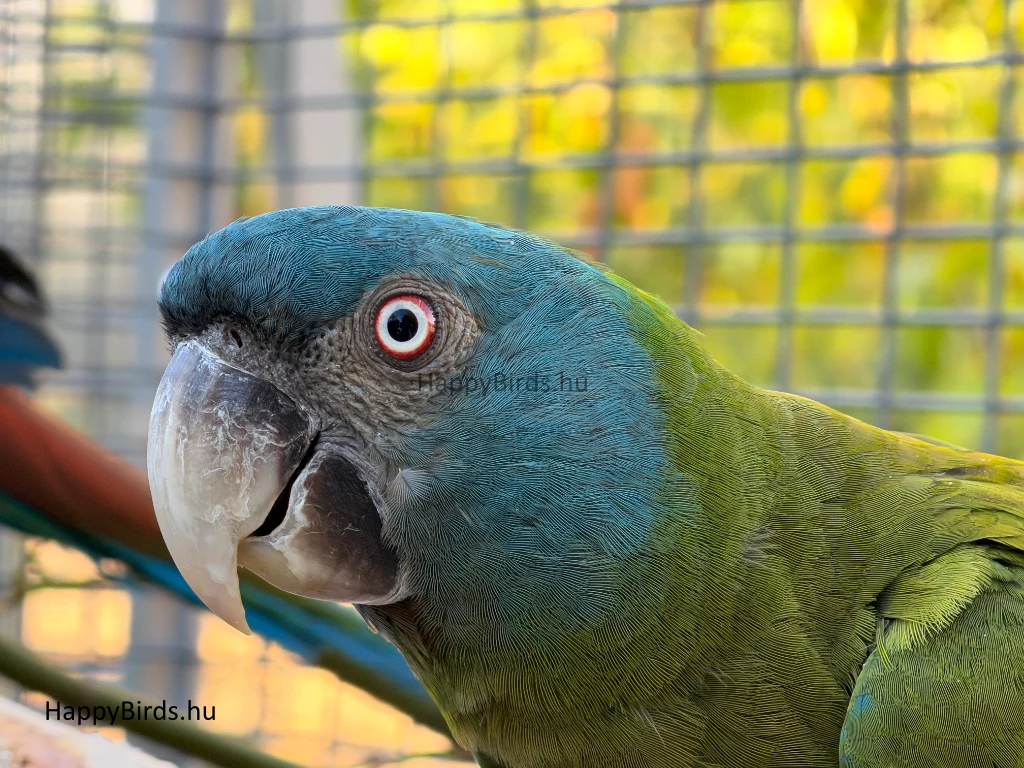
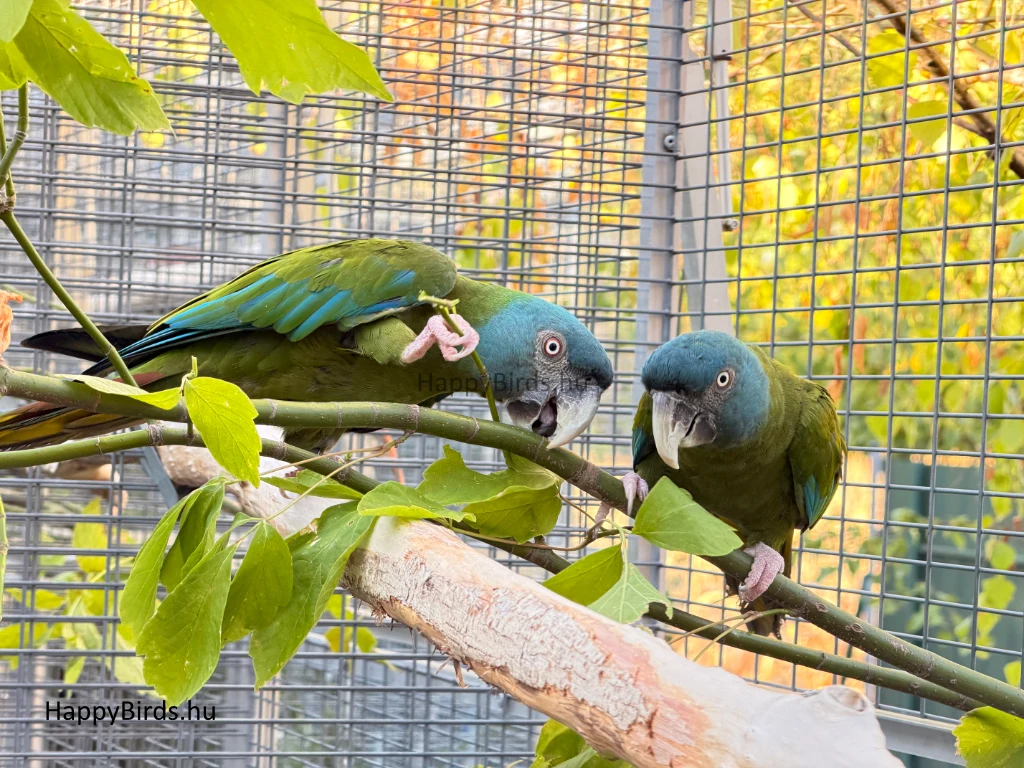
The Blue-headed Macaw, also known as the Coulon’s Macaw, is a medium-sized species measuring about 40–41 cm in length and weighing between 207 and 294 grams. Like other mini macaws, its base plumage is green, while the head is covered with bright blue feathers. Unlike most other macaws, the Blue-headed Macaw has grey facial skin. The beak is black in young birds, gradually turning horn-colored with age, leaving only the base dark. In the wild, this species is found in eastern Peru, northwestern Bolivia, and western Brazil. It prefers wet habitats and is often seen near rivers and swamps. These macaws usually forage in pairs or small groups. The Blue-headed Macaw is listed under CITES Appendix I, meaning it is a highly protected species.
All three species within the Primolius genus are listed on the IUCN Red List of Threatened Species. According to the 2021 assessment, the Primolius couloni (Blue-headed Macaw) is classified as Vulnerable due to its declining population. The Primolius maracana (Blue-winged Macaw) was listed as Near Threatened in 2016, also because of a continuing population decrease. Meanwhile, the Primolius auricollis (Golden-collared Macaw) was reassessed in 2024 and is now categorized as Least Concern, thanks to its increasing population trend.
Within the Primolius genus, this is the rarest species. In its natural habitat, little is known about its behavior and breeding habits. The wild population of this parrot has declined dramatically due to habitat loss, hunting, and illegal trade. The species is often found in Brazilian markets, where its rarity makes it highly valuable and in great demand. Its reproductive rate is very low, and ongoing illegal trapping poses a serious threat to its survival. Several conservation organizations are working to protect the Blue-headed Macaw by preserving its natural habitat and maintaining population stability. Thanks to successful breeding programs, there is hope that the species’ numbers will stabilize in the future.
Blue-headed Macaw Photo Gallery: